
Record the time, affected pages and recent changes.
Diagnose a database connection error systematically
Record the time, affected pages and recent changes. Check the database service, connection configuration and resource availability without exposing credentials in screenshots or public logs. Preserve a backup before attempting repairs, and avoid changing several unrelated settings at once. If access is restored, investigate why it failed so that a temporary restart does not become the only recovery procedure.
Overview
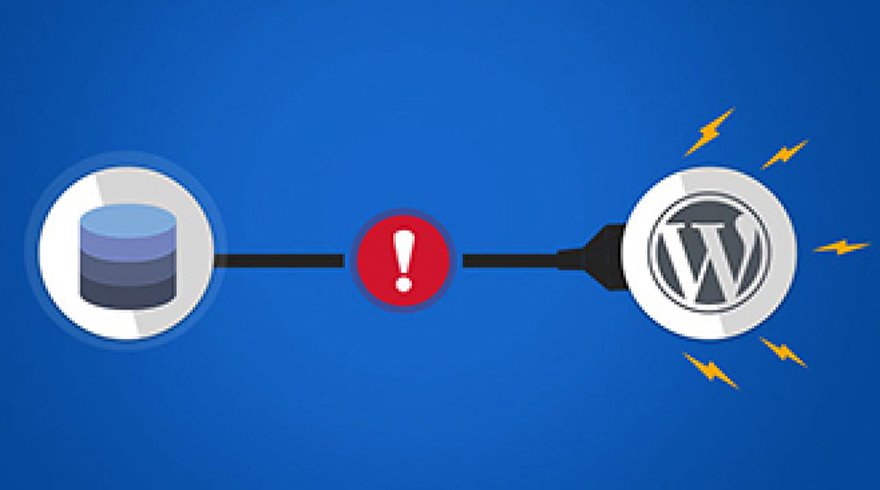
The “Error Establishing a Database Connection” is one of the most frustrating errors for any WordPress user. This error happens when your website doesn’t have access to the database. Resolving this error is necessary because it can affect your sales and analytics. Once you get a hang of it, this issue can be easily detected and fixed.
Why Does This Error Occur?
When WordPress is unable to establish a connection due to varied reasons, you will get this error. The reason can be anything from incorrect database login credentials to an unresponsive database server to a corrupted database. Mostly, any kind of server error causes this error. For instance, if you are developing a WordPress website in Brampton, you might encounter this error while setting up your WordPress Website Development Brampton project.
WP-Admin Issue
Check the Front-End and Back-End Errors: Ensure that both the front-end and back-end of your site are getting the same error. If you are getting different errors, such as “database tables aren’t available,” then repair your database.
Add the following line in your wp-config.php file:
The user doesn’t have to be logged in to access this page because to repair a corrupted database, users can’t login. Once you have repaired the database, remove this line from your wp-config.php.
Check the WP-Config File
Verify Database Credentials: The most important file in a WordPress installation is the wp-config.php. Here, you will specify all the details for WordPress to connect to your database. Once you change the database user password, you’ll need to change the file too.
To check everything in the wp-config.php file is correct:
DB_HOST isn’t always the localhost; this will be different depending on the host.
To fix your problem, replace the localhost with the IP if you are running WordPress on a local server.
Check the Web Host
Server Load: This error occurs when the traffic on your website increases. It just means that the host server is unable to handle the load, making the site slow.
For this, you have to ask your hosting provider whether your MySQL is responsive.
To test MySQL server: Test other sites on the server. If they have the same error, then your MySQL server has an issue.
If your sites aren’t on this hosting account, access phpMyAdmin through cPanel and connect to your database. Once connected, you will create a new file testing_connection.php and paste this code:
die ( 'Could not connect: ' . mysqli_error ( ) ) ;
Make sure you replace the username and password. You’ll get to know your user has sufficient permission when the script gets connected.
Double-check for any typos in your wp-config file. If you can’t connect to the database, then the issue is with your server and can be either due to MySQL server is down or your users don’t have permission.
Additional Solutions That Have Worked for Users
Update the WordPress Site URL: You can try updating the WordPress site URL using phpMyAdmin in cPanel.
Simply access phpMyAdmin from your hosting account dashboard and select your WordPress database from the list.
After that, switch to the SQL menu on the top and enter the following MySQL query:
UPDATE wp_options SET option_value = 'YOUR_SITE_URL' WHERE option_name = 'siteurl' ;
UPDATE wp_options SET option_value = 'http://www.yoursite.com' WHERE option_name = 'siteurl' ;
Don’t forget to provide your own site URL and change wp_options to your own table name, as you may have changed the WordPress table prefix.
2. Rebooting Web Server: Users on dedicated servers, local servers, and virtual private servers (VPS) can try rebooting their servers.
This will restart your web and database server, which may fix some temporary glitches causing the error.
Ask for Help: If everything else fails, then you may need to contact your web hosting company. All good WordPress hosting companies will help you troubleshoot the problem, point you in the right direction, or even fix it for you.
You can also hire WordPress developers using a platform like WPBeginner Pro Services to help you fix this issue for reasonable rates. We have a dedicated team of expert developers that you can trust to resolve any of your WordPress issues.
Reduce operational risk with recoverable changes
Security work should begin with the systems and information the business depends on. Keep an inventory of websites, domains, hosting accounts, integrations and the people who own them. Remove unnecessary access, use strong authentication where supported and keep essential software maintained. A tool labelled secure cannot compensate for abandoned administrator accounts or an undocumented dependency.
Backups need a recovery plan. Decide what is included, where copies are stored and how often the data changes. Test restoration into an isolated environment and confirm that the recovered site includes both files and database content. Record the steps and the people who can carry them out. A backup job that reports success is useful evidence, but a successful restore is stronger evidence of recoverability.
For changes, keep a rollback path and avoid altering unrelated settings during an incident. Record the symptoms, recent deployments and relevant logs before attempting a repair. Restrict access to secrets and personal data during investigation. After service is restored, identify the cause and improve the process that allowed it. Clear ownership and tested recovery often matter more to a small business than an impressive list of tools with nobody assigned to operate them.
Choose WordPress features with an ownership plan
WordPress can support many types of websites, but the quality of the result depends on its configuration and maintenance. Start with the content editors' tasks: publishing an article, updating a service, changing an image and reviewing an enquiry. Decide which capabilities belong in the theme, which belong in a plugin and which need a separate integration. Business-critical content should not disappear when a visual theme is changed.
Keep the extension list purposeful. Evaluate support history, compatibility, permissions and the need for an ongoing licence. Avoid adding several plugins that attempt to control the same caching or security function without a clear reason. Use a staging copy for significant changes and keep a recoverable backup before updating the production site.
Handover should cover administrator ownership, publishing roles, renewal responsibilities and a simple update process. Demonstrate common editing tasks using the actual site. Check what happens when an editor uploads a large image or enters a long heading. A manageable website requires both suitable software and sensible guardrails. Review the site periodically for unused accounts, outdated components and broken integrations instead of waiting for a visible failure.
For guidance tailored to your business, explore our Managed IT & Cloud Solutions or request an audit.
Want advice specific to your website?
We can review the current experience, search visibility and conversion path, then prioritize improvements by likely impact.
Request a website audit