
Share material that helps the intended buyer understand a problem, compare options or learn from a project.
Make LinkedIn useful to a professional audience
Share material that helps the intended buyer understand a problem, compare options or learn from a project. Keep the profile and destination website consistent about the business offer. Participation matters as well as publishing: answer relevant questions and respond to genuine enquiries. Evaluate the quality of conversations and resulting opportunities rather than treating every reaction as evidence of a potential customer.
Overview
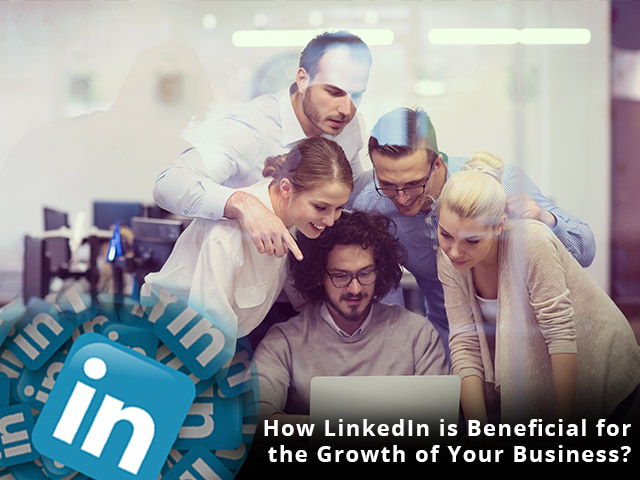
Businesses today need social media presence to develop bond with their customers that helps them to survive in competitive market. LinkedIn is one of them that helps businesses to grow if it is well-optimized, relevant and with up-to-date information. A detailed page of your business helps LinkedIn members to know about your brand and job opportunities with you. Thus the network helps to grow your audience and drive business results.
1. Lead Generation:
To get the most from social network, LinkedIn is a platform where businesses can connect professionally by introducing themselves and participating in discussions, publishing articles, finding common interests and collecting leads. LinkedIn offers a feature to see who has visited your profile so new connections can be easily made with the help of advance filters. It is really important to stay active and engaging with those who are connected with you. Reaching out to them to know what they need by asking questions is the most important.
2. B2B Networking:
With your LinkedIn profile, you can connect with companies having same interest so vendors, suppliers and manufacturers can be easily found in few clicks. Moreover, you can get to know about their current and past experiences as well as the complete picture of the company. You can also check the experiences other businesses have working with them. Therefore, chances to find a partner on whom you can trust are increased on LinkedIn.
3. B2C Networking:
LinkedIn helps you to interact with potential customers very easily. Keeping the profile active and timely posting interesting & relevant contents with the help of web design packages Columbus helps to build trust of potential customers. LinkedIn offers way to improve the brand image in the way you need. New products and services can be promoted in a flexible and affordable way on LinkedIn as compare to expensive ad campaign on social network.
4. Staffing:
Consistently relevant and well-optimized LinkedIn profile attracts best suitable matches and talented people because top talent would choose you on the basis of the quality of your profile. If your business keep jobs and positions list open, it helps getting found easily by talented members who are using LinkedIn to find job opportunities.
5. Customer satisfaction:
With LinkedIn, you can resolve queries via private and public message messaging options that show you care and can helps to gain customer satisfaction. Customers feel happy for their voice being heard. Getting feedback from your customers further increase the chances of customer satisfaction up to great level. You must be ready to listen by remaining active.
Create a content brief that goes beyond a keyword
A useful brief defines the reader, their main question, the decision the content should support and the evidence available. Gather information from the people who deliver the service or answer customer enquiries. Their explanations reveal objections and practical details that generic research often misses. Decide which claims need supporting sources, which examples can be shared and which information should remain private.
Organize the draft around the reader's progress. Explain the concept, compare the relevant choices, show a realistic example and address the most important limitations. Use headings that describe the section rather than vague labels. Keep introductory material proportionate: someone looking for implementation guidance should not have to scroll through several paragraphs explaining that the internet is important.
Before publication, check names, dates, links, product terminology and any numerical claims. Confirm that the page has an appropriate service link and that related articles help the reader continue learning. Assign an owner and a review trigger, such as a product change or a recurring customer question. A content programme becomes more useful when existing material is maintained, merged or retired thoughtfully instead of simply adding another article every week.
Connect page content to a working enquiry journey
The most useful call to action depends on how ready the reader is. Someone comparing service options may need a scope guide before requesting a proposal. Someone arriving from an urgent search needs the telephone number, availability information and a short enquiry form immediately. Give the page a clear primary action while keeping helpful alternatives visible. Repeating a button cannot replace explaining the offer, its limitations and what happens after contact.
Ask only for information that helps the first response. Name, email, service and a concise project description are often sufficient; additional requirements should have a clear purpose. Labels must stay visible after typing, validation should explain the problem and failed submissions should preserve the visitor's work. A form should report success only after the receiving service accepts the request. Opening a messaging application is a different action and should be labelled accordingly.
Test the complete delivery path using a clearly identified test enquiry. Confirm the destination inbox, reply-to address, spam handling and responsibility for follow-up. Then define a successful lead with the sales team. Counting every button click as a lead overstates performance and hides delivery failures. Review rejected and duplicate enquiries separately from qualified opportunities, and use that feedback to refine the questions and page copy.
For guidance tailored to your business, explore our SEO Content Writing or request an audit.
Want advice specific to your website?
We can review the current experience, search visibility and conversion path, then prioritize improvements by likely impact.
Request a website audit