
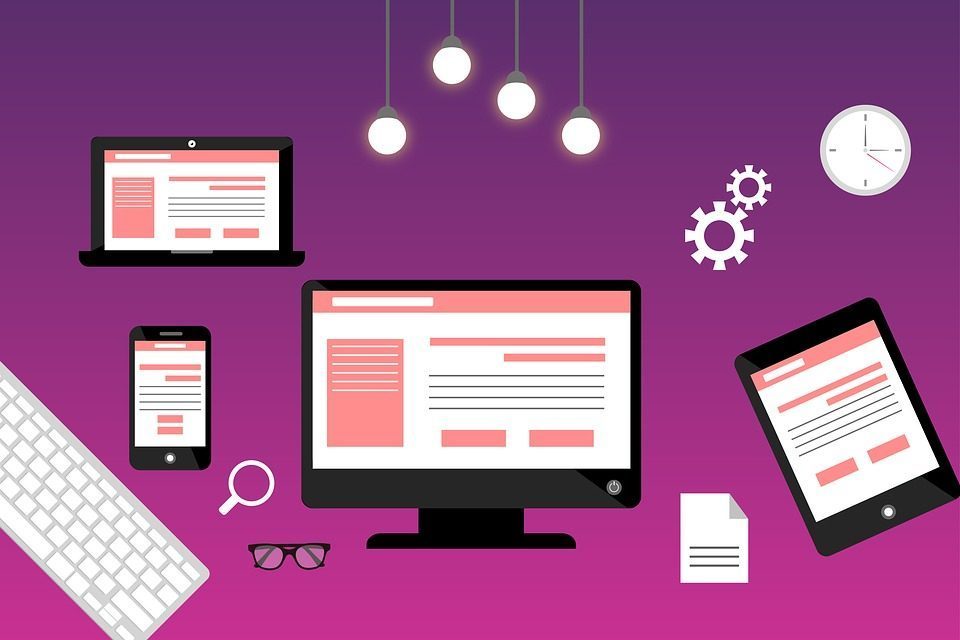
Check whether mobile visitors can compare services, read product details and complete the same essential actions available on desktop.
Value responsive design through completed tasks
Check whether mobile visitors can compare services, read product details and complete the same essential actions available on desktop. Responsive design is more than making columns narrower. Navigation, form controls, tables and image crops all need attention. Review the actual customer journey on a small screen before judging the investment from a screenshot of the homepage alone.
Overview
Have you ever noticed when you open same website on your desktop and on your mobile, how the website adapts to screen size and browser so clearly? This is because of responsive web design. The layout of website adjusts according to size of user’s screen. Responsive designed website optimizes the browsing experience. Here are the main benefits of having responsive website for your business.
1. Mobile usage is on the rise
Usage of internet from mobiles has been doubled in the last couple of years. Studies proved that mobiles have overtaken desktops. This is the reason why business owners are so interested in targeting more and more mobile audience. A responsive website can bring more traffic than any other devices and increase the duration users spend on website.
2. Improve user experience
A responsive website offers best experience to visitors being able to access website on all devices effectively. The team of Web design Brampton use best practices and technologies to design website. This can adapt different screens & resolutions with flexible images and grids and generates best output. In this way the website is well optimized for all devices like tablets, laptops, desktops, smartphones, and any other device.
3. Faster loading time
Speed of your website affects the traffic, conversions, sales, and your brand value. The content of your responsive website are loaded within 2 seconds on mobile devices. Which is not possible for desktop website where the users have to wait too long to load a page. In the result, visitors are forced to leave the website. This is why website speed is important for the success of your business.
4. Cost-effective
Having a responsive website costs less as compared to building separate websites for mobile and desktop. Moreover, two websites can affect your website ranking on search engine due to duplicate content. Since creating one website rather than two can save your time and money and also enables your website to optimize for all devices.
5. Improve search engine visibility
Responsive website have one URL instead of many which makes easier for Google to index your website.When your website has a quality content and easy navigation, it is easier for visitors to spend more time on website. Google notice this and reward your website with better ranking on search engine. Algorithm prefers those websites who provide their users a good experience.
Every business owner has to focus on a website that can be loaded on any screen size regardless of the size & type of business they have. Responsive website helps you to market your website and prepare you for the future. The importance of responsive website is much more for e-commerce businesses. Therefore, make sure to avail the responsive web design before getting web development services from the company.
Make the experience usable beyond one screen
A responsive layout is only the starting point. People also browse with enlarged text, a keyboard, a screen reader, reduced motion preferences and slower connections. Begin with semantic headings and real buttons or links for interactive controls. Every form field needs a persistent label. An error message should identify the problem and explain how to fix it without relying only on a red border or a temporary notification.
Review contrast, focus visibility and reading order on the actual finished pages. Test long service names, large prices and realistic product titles rather than short placeholder text. At increased zoom, content should remain readable without controls overlapping. Images that communicate information need useful alternative text; purely decorative images should not introduce extra announcements. Movement should support a task, and essential information should not depend on watching an animation.
Automated checks can identify some missing labels and contrast problems, but they cannot decide whether a booking process makes sense. Try the main journey with a keyboard and check it on a small phone. Document issues by their effect on the visitor: an inaccessible submit button is a higher priority than a minor spacing inconsistency. Include these checks in future content updates so that accessibility does not gradually disappear after launch.
Diagnose performance before adding another optimization tool
Begin with the pages that matter commercially: the main entry page, a representative service or product page, and the conversion journey. Record the device, network conditions and whether the visit uses an empty or populated cache. A single desktop score cannot describe every visitor's experience. Compare the page before and after a change under similar conditions, and examine actual loading behaviour alongside the summary score.
Common causes include oversized hero images, unnecessary third-party scripts, slow server responses and expensive interactive components. Identify the cause before choosing the remedy. Compressing an image will not fix a delayed database query; a faster server will not eliminate a blocking marketing script. Prioritize work by the number of visitors affected and the business importance of the page, rather than chasing small score changes with uncertain practical value.
Optimization must preserve functionality. Retest menus, forms, consent controls, search and checkout after changing caching, script loading or asset compression. Keep a record of the original setting and an easy rollback. Monitor again after adding a campaign tag or installing an extension, because performance is a property of the whole page. The goal is a dependable experience that supports customer tasks, not a test result achieved by removing features visitors actually need.
For guidance tailored to your business, explore our Custom Website Design or request an audit.
Want advice specific to your website?
We can review the current experience, search visibility and conversion path, then prioritize improvements by likely impact.
Request a website audit