
Organic visibility creates an opportunity when the landing page answers the query and makes the next step clear.
Connect SEO with the rest of the customer journey
Organic visibility creates an opportunity when the landing page answers the query and makes the next step clear. Coordinate search content with service information, enquiry handling and customer follow-up. Review whether visitors are relevant and whether the business can act on their interest. SEO is one part of digital marketing, and its value is easier to understand when the whole journey is measured coherently.
Overview
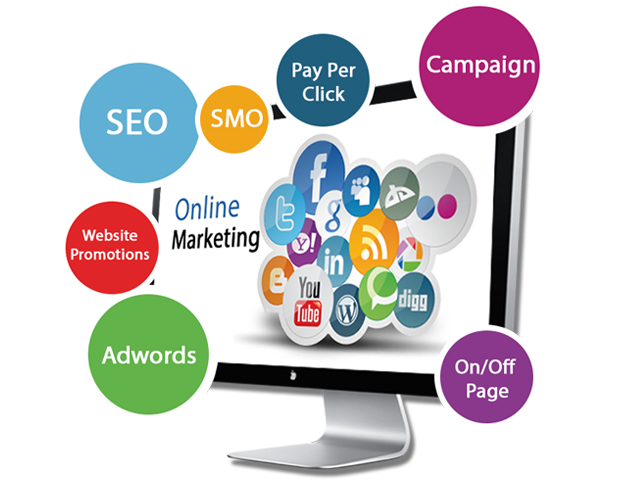
Over the last few decades, the face of Digital Marketing has changed drastically from using free floppy disks containing the digital ad content in 1980s to today’s time of internet driven Digital Marketing campaign. People from every walk of life are connected through internet. This huge networking has evoked a tremendous potential for online marketing which is being beneficial to a large number of enterprises.The key Digital Marketing techniques are Search Engine Optimization (SEO), Search Engine Marketing (SEM), content marketing, influencer marketing, content automation, campaign marketing, Search Engine Optimization for Digital Marketing and e-mail direct marketing. Basically, the vital component of digital marketing is to make the client’s website visible in the search engine results which is made possible through key words insertion and regulating the key words density in the content of the website and advertisements which is the main characteristic of SEO and SEM.Not just the mode but also the approach of Digital Marketing is shifting from a linear to non-linear where emphasis is laid on omni-channel marketing strategies to ensure internet presence on all the possible platforms of social media interactions like Facebook, Instagram, Twitter and popular platforms like Youtube and Pinterest. This multimodal approach is highlighted in SMM and SMO and thus incorporates social media platforms as a potential marketing base.
Give each search topic a useful destination
Start with the problem behind the query. A reader asking how a platform works needs an explanation, while someone comparing providers needs scope, evidence and a way to contact the business. Match the page to that intent. A sales page that never answers the question is frustrating, and a tutorial that hides the service relationship can leave a ready buyer unsure where to go next.
Map important topics to existing pages before creating new URLs. Several near-identical pages can divide editing effort and make it unclear which destination should be the main resource. Expand a useful existing page when the questions belong together. Create a separate page when the audience or task is genuinely different, then link between the two with descriptive text. Retain established URLs where practical and plan redirects when an address must change.
Draft the title, main heading and opening paragraph together. They should make the promise of the page clear without mechanically repeating the same phrase. Add examples, limitations and practical next steps where they help the decision. Review actual search queries after publication to identify unanswered questions. There is no benefit in making an article longer if the added paragraphs merely restate the introduction; depth should come from a more complete explanation.
Create a content brief that goes beyond a keyword
A useful brief defines the reader, their main question, the decision the content should support and the evidence available. Gather information from the people who deliver the service or answer customer enquiries. Their explanations reveal objections and practical details that generic research often misses. Decide which claims need supporting sources, which examples can be shared and which information should remain private.
Organize the draft around the reader's progress. Explain the concept, compare the relevant choices, show a realistic example and address the most important limitations. Use headings that describe the section rather than vague labels. Keep introductory material proportionate: someone looking for implementation guidance should not have to scroll through several paragraphs explaining that the internet is important.
Before publication, check names, dates, links, product terminology and any numerical claims. Confirm that the page has an appropriate service link and that related articles help the reader continue learning. Assign an owner and a review trigger, such as a product change or a recurring customer question. A content programme becomes more useful when existing material is maintained, merged or retired thoughtfully instead of simply adding another article every week.
Check discovery, indexing and content separately
A technical review should follow a sequence. First check that the intended URL is reachable and returns an appropriate response. Then inspect whether links and the sitemap make it discoverable, whether robots directives permit the intended crawling and indexing, and whether the canonical points to the correct page. These controls have different jobs, so changing all of them at once can make a problem harder to diagnose.
Inspect representative pages as a crawler receives them. Important text, links and image descriptions should be available reliably; a page that contains only a loading shell needs additional investigation. Review redirects for unnecessary chains, verify that missing pages return an actual not-found response and remove broken internal links. Structured data should describe visible, accurate content rather than promises that the page does not support.
Keep a record of the issue, affected URLs, evidence and proposed repair. Prioritize site-wide access problems above cosmetic metadata improvements. After release, request or observe a fresh inspection and monitor the relevant reports. Discovery, indexing and ranking are separate stages: submitting a sitemap is useful housekeeping, but it does not guarantee that every page will be indexed or appear for a particular search.
Measure outcomes with enough context to make a decision
Define the question before choosing the dashboard. A lead-generation site needs to distinguish qualified enquiries from spam, job applications and duplicate contacts. A shop needs to separate completed orders from abandoned checkouts and refunded purchases. Agree on these definitions with the people who process the results. Otherwise different teams can report apparently conflicting numbers while using different meanings of success.
Document important events, their triggers and where the data goes. Check that one completed action creates one event, including when a visitor reloads a confirmation page or returns from a payment provider. Keep personal information out of analytics events and URLs. Review mobile and desktop journeys separately when their behaviour differs, and label internal tests so they do not inflate results.
Use trends and business context rather than reacting to every short-term movement. A seasonal offer, a change in advertising spend or a broken form can all change conversion numbers. Note these events alongside the report. When testing an improvement, decide in advance what would justify keeping it and allow enough relevant activity to form a useful view. If traffic is limited, direct customer feedback and usability observations may explain the problem faster than an elaborate experiment.
For guidance tailored to your business, explore our Search Engine Optimization or request an audit.
Want advice specific to your website?
We can review the current experience, search visibility and conversion path, then prioritize improvements by likely impact.
Request a website audit