
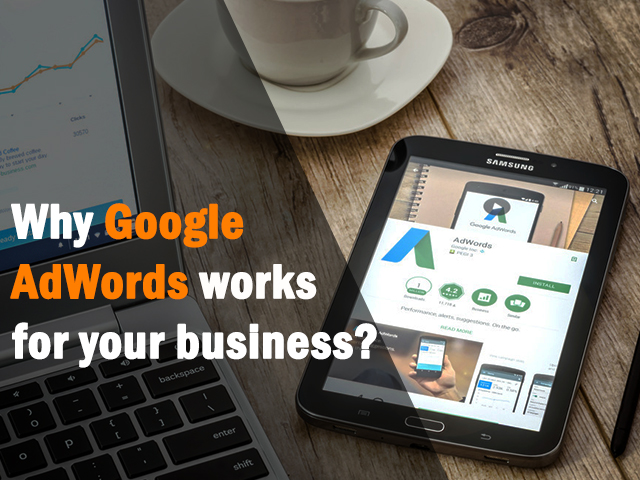
Paid search can connect an offer with an active query, but the value depends on cost, relevance and the website's ability to convert.
Use Google Ads when the commercial case is clear
Paid search can connect an offer with an active query, but the value depends on cost, relevance and the website's ability to convert. Choose a focused service, define a qualified outcome and test the entire response process. Treat the initial campaign as a measured learning exercise. Advertising is not automatically profitable simply because the platform can deliver traffic quickly.
Overview
In today’s digital landscape, Google Ads remains a pivotal tool for businesses seeking to enhance their online presence and drive conversions. While some companies may hesitate to use Pay-Per-Click (PPC) advertising, the benefits of AdWords are undeniable. Here’s why you should consider integrating Google Ads into your marketing strategy:
Instant Conversion:
In an era of instant gratification, businesses crave immediate results from their marketing efforts. Unlike traditional Search Engine Optimization (SEO) strategies that focus on specific keywords, AdWords allows for the inclusion of Latent Semantic Indexing (LSI) keywords, broadening the reach of your ads. Additionally, the flexibility to choose between image-based or text-based ads ensures a tailored approach to engage your target audience effectively.
Enhanced Visibility:
Securing a top position on search engine results pages is crucial for visibility. With AdWords, your ads can be strategically displayed based on user search behavior, making your offerings more appealing and relevant. Moreover, the pay-per-click model ensures a return on investment (ROI) as you only pay when users click on your ads.
Competitive Edge:
AdWords has become a universal phenomenon, with many of your competitors likely already benefiting from its advantages. By embracing AdWords, you position your business to generate leads, increase conversions, and stay ahead in the digital marketing realm.To embark on a successful AdWords campaign, consider partnering with a reputable digital marketing firm like Enterprise Web Cloud. Their expertise in designing and executing lucrative PPC ad campaigns can propel your business towards greater online success.
In conclusion, Google Ads remains a powerful tool for businesses aiming to amplify their online presence and drive tangible results. Embrace the potential of AdWords today and unlock a world of opportunities for your business.
Contact Enterprise Web Cloud Brampton now to kickstart your impeccable Pay-Per-Click campaign and harness the full potential of Pay Per Click Advertising Mississauga for your business’s growth and success.
Connect advertising economics to qualified conversions
Start with the value of a qualified lead or completed order, not a competitor's daily budget. Estimate contribution margin and the proportion of genuine enquiries that become customers. These assumptions help define an acceptable acquisition cost, but they are a planning model rather than a guarantee. Keep platform fees, management costs, creative work and landing-page work visible when considering the total investment.
Align targeting, advertisement and landing page around the same intent. Someone searching for an urgent repair should not land on a generic company history page. Review search terms, exclusions and geographic settings regularly. Separate branded demand from broader acquisition where that distinction helps the business understand what it is buying. Test the actual enquiry or purchase journey before increasing spend.
Evaluate results using conversion quality as well as quantity. Spam, accidental calls and enquiries outside the service area can make a campaign look better than it is. Work with the sales team to identify useful outcomes and record changes to offers, budgets and tracking. Give tests a defined question and stopping rule. More automated bidding still depends on sensible goals and trustworthy data from the business.
Connect page content to a working enquiry journey
The most useful call to action depends on how ready the reader is. Someone comparing service options may need a scope guide before requesting a proposal. Someone arriving from an urgent search needs the telephone number, availability information and a short enquiry form immediately. Give the page a clear primary action while keeping helpful alternatives visible. Repeating a button cannot replace explaining the offer, its limitations and what happens after contact.
Ask only for information that helps the first response. Name, email, service and a concise project description are often sufficient; additional requirements should have a clear purpose. Labels must stay visible after typing, validation should explain the problem and failed submissions should preserve the visitor's work. A form should report success only after the receiving service accepts the request. Opening a messaging application is a different action and should be labelled accordingly.
Test the complete delivery path using a clearly identified test enquiry. Confirm the destination inbox, reply-to address, spam handling and responsibility for follow-up. Then define a successful lead with the sales team. Counting every button click as a lead overstates performance and hides delivery failures. Review rejected and duplicate enquiries separately from qualified opportunities, and use that feedback to refine the questions and page copy.
Measure outcomes with enough context to make a decision
Define the question before choosing the dashboard. A lead-generation site needs to distinguish qualified enquiries from spam, job applications and duplicate contacts. A shop needs to separate completed orders from abandoned checkouts and refunded purchases. Agree on these definitions with the people who process the results. Otherwise different teams can report apparently conflicting numbers while using different meanings of success.
Document important events, their triggers and where the data goes. Check that one completed action creates one event, including when a visitor reloads a confirmation page or returns from a payment provider. Keep personal information out of analytics events and URLs. Review mobile and desktop journeys separately when their behaviour differs, and label internal tests so they do not inflate results.
Use trends and business context rather than reacting to every short-term movement. A seasonal offer, a change in advertising spend or a broken form can all change conversion numbers. Note these events alongside the report. When testing an improvement, decide in advance what would justify keeping it and allow enough relevant activity to form a useful view. If traffic is limited, direct customer feedback and usability observations may explain the problem faster than an elaborate experiment.
Create a content brief that goes beyond a keyword
A useful brief defines the reader, their main question, the decision the content should support and the evidence available. Gather information from the people who deliver the service or answer customer enquiries. Their explanations reveal objections and practical details that generic research often misses. Decide which claims need supporting sources, which examples can be shared and which information should remain private.
Organize the draft around the reader's progress. Explain the concept, compare the relevant choices, show a realistic example and address the most important limitations. Use headings that describe the section rather than vague labels. Keep introductory material proportionate: someone looking for implementation guidance should not have to scroll through several paragraphs explaining that the internet is important.
Before publication, check names, dates, links, product terminology and any numerical claims. Confirm that the page has an appropriate service link and that related articles help the reader continue learning. Assign an owner and a review trigger, such as a product change or a recurring customer question. A content programme becomes more useful when existing material is maintained, merged or retired thoughtfully instead of simply adding another article every week.
For guidance tailored to your business, explore our Google Ads & PPC Management or request an audit.
Want advice specific to your website?
We can review the current experience, search visibility and conversion path, then prioritize improvements by likely impact.
Request a website audit